
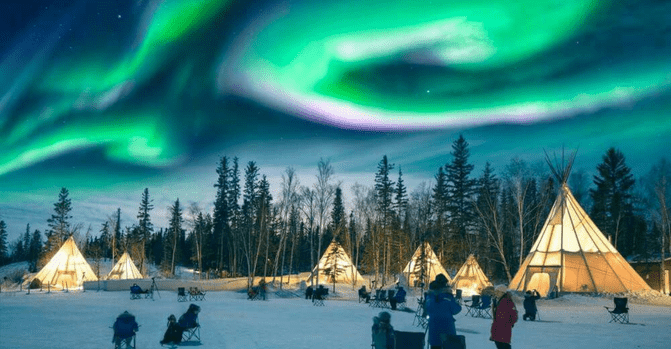
Iceland has become one of the world’s most sought-after destinations, captivating travelers with its dramatic landscapes, dancing northern lights, and unique natural phenomena. But here’s the truth: the Land of Fire and Ice transforms completely throughout the year, and the “best” time to visit depends entirely on what you hope to experience.
Whether you’re chasing the ethereal glow of the aurora borealis, hoping to witness the midnight sun, or simply wanting to explore Iceland’s otherworldly terrain, timing your visit correctly can make all the difference. Let’s explore what each season offers, so you can plan your Icelandic adventure with confidence.
Summer in Iceland: Endless Days and Boundless Adventure (June to August)
Summer stands as Iceland’s most popular season, and for good reason. From June through August, the country comes alive with nearly 24 hours of daylight, creating endless opportunities for exploration.
The famous midnight sun bathes the landscape in golden light well into the late evening hours. This natural phenomenon peaks around the summer solstice in late June, when the sun barely dips below the horizon.
Temperatures during summer typically range from 50°F to 59°F (10°C to 15°C), occasionally climbing to 68°F (20°C) on particularly warm days. While these temperatures might seem cool, they’re perfect for hiking, camping, and exploring Iceland’s stunning natural wonders without breaking a sweat.
Why Visit Iceland in Summer?
Summer opens up access to Iceland’s remote Highlands, including breathtaking destinations like Landmannalaugar with its multicolored rhyolite mountains. The F-roads, which lead to these pristine areas, are typically accessible only during these warmer months.
Wildlife enthusiasts will find summer particularly rewarding. Puffins nest along Iceland’s dramatic coastal cliffs from June through mid-August, while whale watching reaches its peak with numerous species feeding in Icelandic waters.
The downside? Summer is peak tourist season, meaning popular attractions like the Blue Lagoon and Golden Circle sites experience their heaviest crowds. Accommodation prices also reach their highest points during these months.
Winter in Iceland: Aurora Magic and Frozen Wonders (November to March)
Winter transforms Iceland into a true wonderland, offering experiences you simply cannot find during other seasons. From November through March, the country wraps itself in snow and ice, creating a magical backdrop for once-in-a-lifetime adventures.
The long, dark nights provide ideal conditions for viewing the northern lights. Peak aurora season runs from November to February, when darkness blankets the country for up to 20 hours daily.
Temperatures during winter typically hover between 23°F and 36°F (-5°C to 2°C), with conditions ranging from calm, clear days to intense snowstorms with powerful winds.
Best Time to Visit Iceland for Northern Lights
If witnessing the northern lights tops your Iceland bucket list, plan your visit between September and March. However, November through February offers the highest probability of aurora sightings due to the longest periods of darkness.
The northern lights depend on solar activity and clear skies, making them inherently unpredictable. March and September stand out as particularly favorable months because the equinoxes trigger increased geomagnetic activity, potentially doubling your chances of spotting this celestial display.
For the best viewing experience, venture away from city lights into darker areas. Many travelers book stays at northern lights hotels specifically positioned for optimal aurora viewing.
Winter Activities Beyond the Lights
Winter in Iceland offers far more than aurora hunting. Natural ice caves become accessible from November through April, when freezing temperatures stabilize these crystalline formations. The famous Crystal Ice Cave in Vatnajökull glacier showcases brilliant blue ice illuminated by sunlight filtering through.
Snowmobiling across glaciers, soaking in geothermal hot springs surrounded by snow, and exploring frozen waterfalls create unforgettable winter experiences.
The challenges? Daylight is extremely limited, with only 4 to 5 hours of light in December. Roads can become treacherous, and some remote areas, including parts of the Highlands and Westfjords, become completely inaccessible.
Best Time to Visit Iceland for Northern Lights 2026
Planning ahead for 2026? The optimal months for northern lights viewing remain consistent: late September through late March, with peak viewing from November through February.
September 2026 marks the beginning of the aurora season, offering a perfect blend of milder weather and darkening skies. By October, nights grow longer while temperatures stay relatively moderate, making this an ideal time for travelers who want both northern lights opportunities and more comfortable conditions.
The winter months of December 2026 through February 2027 provide the longest nights and strongest aurora potential, though they also bring the coldest temperatures and most challenging weather conditions.
Spring in Iceland: Awakening Landscapes (April to May)
Spring represents Iceland’s transitional season, bridging the gap between winter’s frozen beauty and summer’s vibrant energy. April and May bring steadily increasing daylight, blooming landscapes, and fewer crowds.
Temperatures during spring range from 37°F to 50°F (3°C to 10°C), with rapidly changing weather that can shift from snow to rain to sunshine within hours.
Why Choose Spring?
Spring offers the unique opportunity to experience both winter and summer activities. Early spring (April) still allows for northern lights viewing, ice caving, and snowmobiling, while the increasing daylight enables extended exploration time.
By May, Iceland receives nearly 20 hours of daylight, creating ideal conditions for hiking, horseback riding, and diving in the crystal-clear waters of Silfra Fissure.
Migratory birds, including the beloved puffins, return to nest along the cliffs. Spring marks the beginning of Iceland’s festival season, with events like the Reykjavik Arts Festival showcasing local and international talent.
The shoulder season pricing makes spring particularly attractive for budget-conscious travelers, offering better deals on accommodations and tours compared to peak summer rates.
Fall in Iceland: Golden Hues and Aurora Returns (September to October)
Autumn in Iceland paints the landscape in rich golds, oranges, and reds while reintroducing the magic of the northern lights. September and October strike a beautiful balance between summer’s warmth and winter’s aurora potential.
Temperatures range from 41°F to 50°F (5°C to 10°C), with weather patterns becoming increasingly unpredictable as winter approaches.
Fall’s Unique Advantages
September emerges as a favorite among photographers and nature lovers. The changing foliage creates stunning landscapes, while the return of darker nights brings the northern lights back into view.
Tourist numbers drop significantly after mid-August, meaning you’ll encounter smaller crowds at popular attractions while still enjoying relatively mild weather and reasonable daylight hours.
Fall excels for activities like hiking, whale watching, and exploring Iceland’s natural wonders without summer’s peak season bustle. The weather remains generally pleasant enough for road trips, though you should prepare for sudden changes.
Best Time to Visit Iceland Weather-Wise
Iceland’s weather remains notoriously unpredictable regardless of season, but understanding general patterns helps you prepare appropriately.
Summer (June to August) delivers the most stable and warmest weather, though “stable” in Iceland still means you might experience four seasons in a single day. Pack layers and waterproof gear even during summer months.
For the mildest conditions overall, late May through early September offers the best combination of reasonable temperatures, manageable weather, and sufficient daylight for exploration.
Winter weather can be harsh and unpredictable, but properly prepared travelers often find the dramatic landscapes and unique experiences well worth the challenging conditions.
Making Your Decision: When Should You Visit Iceland?
The best time to visit Iceland ultimately depends on your priorities and travel style.
Choose summer (June to August) if you want to explore the entire country, including the remote Highlands, experience the midnight sun, and enjoy the widest range of activities with the most stable weather.
Select winter (November to March) if the northern lights top your must-see list, you’re excited about ice caves and winter landscapes, and you don’t mind short days and cold temperatures.
Consider the shoulder seasons (April to May or September to October) if you prefer fewer crowds, better prices, and the flexibility to experience elements of both summer and winter Iceland.
For northern lights enthusiasts specifically, target November through February for the highest probability, but don’t overlook September and March, when you can combine aurora viewing with milder weather and moderate crowds.
Practical Tips for Timing Your Visit
Regardless of when you choose to visit Iceland, book accommodations and popular tours well in advance, especially for peak season (June to August) and the Christmas period.
If you’re planning a winter visit, consider renting a 4×4 vehicle and always check road conditions before setting out. Many travelers opt for guided tours during winter to leave the challenging driving to professionals.
For summer visitors, take advantage of those long daylight hours by visiting popular attractions early in the morning or late in the evening when crowds thin out.
Remember that Iceland’s weather can change rapidly any time of year. Always pack layers, waterproof outer gear, sturdy waterproof boots, warm accessories, and your swimsuit for geothermal lagoon visits.
Your Icelandic Adventure Awaits
Iceland offers something extraordinary in every season. Summer dazzles with endless daylight and full accessibility, winter enchants with northern lights and frozen landscapes, while the shoulder seasons provide the best of both worlds with fewer crowds.
The key to planning the perfect Iceland trip isn’t finding the “best” time to visit, but rather identifying which season aligns with your personal travel dreams. Whether you’re drawn to the vibrant energy of summer, the magical darkness of winter, or the balanced beauty of spring and fall, Iceland stands ready to deliver an unforgettable adventure.
Start planning your journey to this remarkable island nation, and prepare to be amazed by a land where fire meets ice, and every season tells its own captivating story.
Author Note
I write all the content on Tosstrips based on my own travel research, personal experiences, and careful destination planning. I enjoy exploring new places, learning about different cultures, and sharing practical travel ideas that can actually help readers plan better trips. Many times, I use my Random Country Generator on Tosstrips to randomly select my next destination idea and discover places I may not have planned otherwise. You can explore destinations or get travel inspiration by visiting the homepage at https://tosstrips.com/.
If you’d like to know more about me and the story behind Tosstrips, you can visit the author page here: https://tosstrips.com/author/.

