I still remember standing on a dock in Bergen, the rain tapping against my hood, realizing that “bad weather” in Norway is just a state of mind. The locals have a saying: “There is no such thing as bad weather, only bad clothes.” And they are right.
Deciding on the best time to visit Norway was the hardest part of planning my first trip. I found myself torn between two dream scenarios: driving through emerald-green fjords under the midnight sun, or watching the northern lights dance over snowy peaks in the arctic winter.
The truth is, Norway is effectively two different countries depending on when you go. A summer road trip and a winter expedition feel worlds apart. If you are wondering about the best season to visit Norway, the answer depends entirely on what you want to feel, see, and spend.
I have visited during the peak of summer and the depths of winter. I have sweated on hikes in July and frozen my eyelashes in January. To help you navigate the calendar, I have broken down the year into 10 essential insights. Here is my guide to finding your perfect window for a Norwegian escape.
1. Summer: The Season of the Midnight Sun
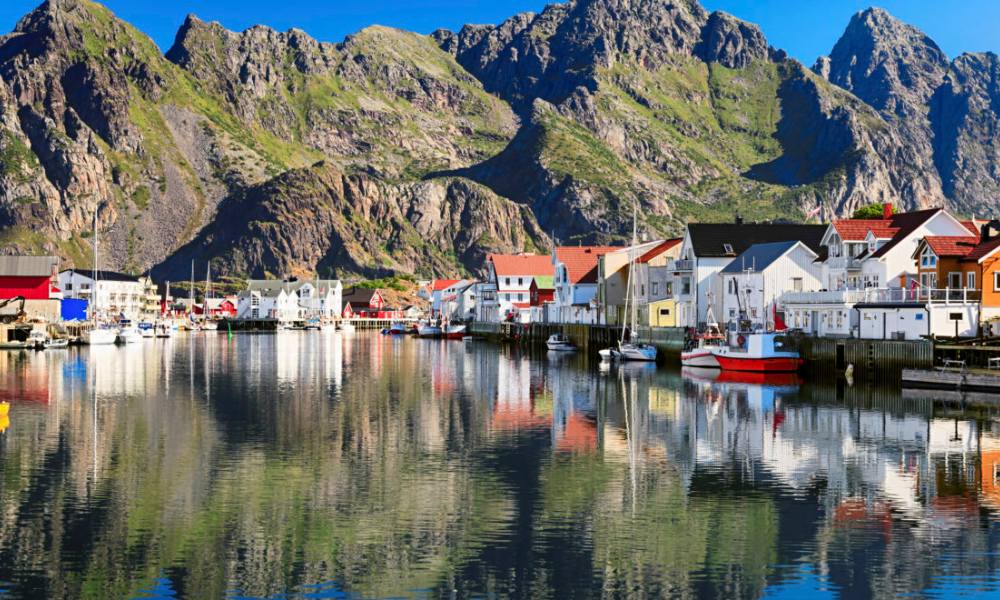
For most first-time visitors, summer (June to August) is the golden window. This is when the country truly wakes up. I remember driving across the Atlantic Road in July at midnight, and the sky was still a soft, glowing twilight.
The phenomenon of the midnight sun is disorienting but magical. In the north, the sun literally never sets for weeks. It gives you endless energy. You can hike at 11 PM or sit on a pier eating shrimp until the early hours.
If you want to access all the hiking trails and drive the famous mountain roads like Trollstigen, this is the only time to go. Just be prepared to share the view; this is peak tourist season.
2. Winter: Chasing the Northern Lights
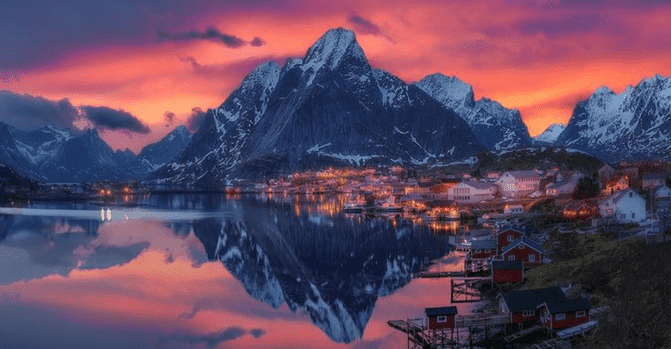
If your bucket list includes the Aurora Borealis, you have to embrace the cold. The best time to visit Norway for northern lights is from late September to late March.
My most memorable trip was to Tromsø in January. Yes, it was dark at 2 PM, and yes, it was freezing. But standing in the snow, waiting for the sky to explode into green and purple ribbons, was worth every shiver.
Keep in mind that the “Polar Night” in the north means the sun doesn’t rise at all for weeks. It is a cozy, candlelit vibe (called koselig), but it can be tiring if you aren’t used to it.
3. Spring: The Fjords in Bloom
May is arguably the most beautiful month in the fjords. This is shoulder season, and nature puts on a show. The waterfalls are roaring from the melting snow, and the fruit trees along the Hardangerfjord are exploding with white and pink blossoms.
I found May to be a fantastic sweet spot. The crowds haven’t arrived yet, and accommodation is cheaper than in July. The weather is unpredictable—I packed sunglasses and a wool hat and used both in the same hour—but the contrast of green valleys and snowy peaks is stunning.
4. Autumn: Golden Hiking and Berries
September is the secret weapon of Norway travel. The summer crowds vanish, and the landscape turns into a painting of gold, orange, and red.
I love hiking in September. The air is crisp, crisp, and the mosquitoes are gone. It is also “berry season.” You can roam the hills and pick wild blueberries and cloudberries.
This is also a great transition time. You might get lucky and see the first northern lights in the north, while still enjoying mild hiking weather in the south.
5. The Best Time to Visit Norway Fjords
While you can visit the fjords year-round, the experience changes drastically. For the classic “postcard” experience, the best time to visit Norway fjords is June through August.
I took a ferry through the Nærøyfjord in July, and the water was like a mirror. The ferry decks were warm enough to stand outside for hours.
However, if you go in winter, the vibe is moody and dramatic. The inner ends of some fjords might be frozen, and the ferry schedules are reduced. But seeing the steep cliffs dusted in snow is a hauntingly beautiful sight that few tourists see.
6. Combining Norway and Sweden
If you are planning a bigger Scandinavian tour, the best time to visit Norway and Sweden together is definitely high summer (July and August).
Both countries “shut down” for business in July as locals take their holidays. This means cities like Oslo and Stockholm are relaxed, with festivals and outdoor dining everywhere.
I once took the train from Oslo to Stockholm in August. The countryside was lush and green the whole way. Attempting this in winter can be tricky with train delays due to snow, and the short daylight hours mean you miss the scenic views from the train window.
7. Whale Watching Seasons
Timing is critical if you want to see whales. It is not a year-round activity in all places.
In Vesterålen, you can spot sperm whales all year, but the winter months (November to January) are special in the north near Skjervøy. This is when the herring migrate, bringing massive pods of orcas and humpback whales into the fjords.
I took a silent electric boat tour in December. We drifted quietly near a pod of orcas. Hearing their breathing in the silence of the Arctic winter was one of the most intense wildlife encounters of my life.
8. Avoiding the Crowds
Norway has become incredibly popular, and places like Preikestolen (Pulpit Rock) can feel like a queue at a theme park in July.
To avoid this, I recommend the “shoulder” months: late May or early September. You get 80% of the good weather with 50% of the people.
Another tip: Avoid the cruise ship ports (like Geiranger) between 10 AM and 3 PM. If you stay overnight in these small villages, you get the place to yourself once the big ships leave in the evening.
9. Budget Considerations
Let’s be real: Norway is expensive. If budget is your main concern, avoid July. Accommodation prices skyrocket.
The cheapest time to fly and stay is usually November (before the Christmas rush) or January. I saved a lot of money visiting in the off-season.
However, be careful. “Cheap” can mean “closed.” Many campsites and rural museums close their doors from October to April. Always check in advance if you are traveling in the off-season.
10. Festivals and Culture
Finally, consider timing your trip around a festival. February is an amazing time for culture. I visited during “Sami Week” in Tromsø.
I got to watch reindeer racing in the middle of the city streets and listen to traditional Joik singing. It was a cultural immersion I would have missed in the summer.
In May, the 17th is Constitution Day. If you are in Oslo, you will see thousands of locals in traditional bunad costumes. It is a massive party and a privilege to witness.
Conclusion
So, when is the verdict?
If you want the classic road trip with hiking and fjords, aim for June or September.
If you dream of snow, silence, and the northern lights, book for February or March.
No matter when you choose, Norway delivers. Just remember to pack that wool layer—you will need it!
Author Note
I write all the content on Tosstrips based on my own travel research, personal experiences, and careful destination planning. I enjoy exploring new places, learning about different cultures, and sharing practical travel ideas that can actually help readers plan better trips. Many times, I use my Random Country Generator on Tosstrips to randomly select my next destination idea and discover places I may not have planned otherwise. You can explore destinations or get travel inspiration by visiting the homepage at https://tosstrips.com/.
If you’d like to know more about me and the story behind Tosstrips, you can visit the author page here: https://tosstrips.com/author/.