
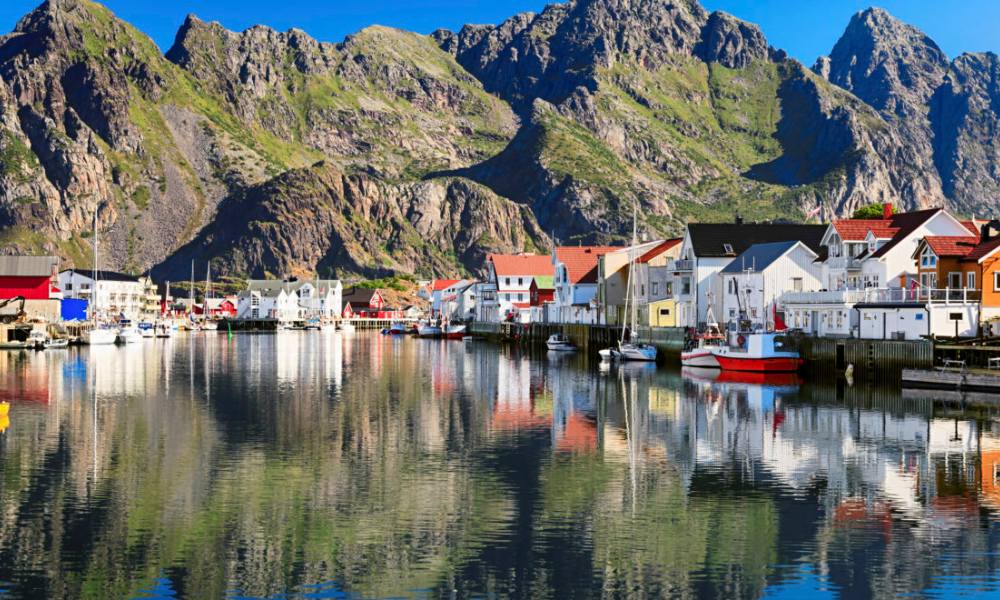
Norway is a country that feels unreal at times. Towering mountains rise straight from deep blue fjords, waterfalls crash down cliffs, and tiny villages sit quietly beneath dramatic landscapes. It’s a place where nature is not just scenery, it’s the main attraction.
Whether you love hiking, scenic train rides, cultural cities, or peaceful boat journeys, Norway offers unforgettable experiences for every type of traveler. This guide covers the best things to do in Norway, along with practical tips, the best time to visit, budget expectations, and frequently asked questions to help you plan confidently.
1. Explore the Spectacular Norwegian Fjords
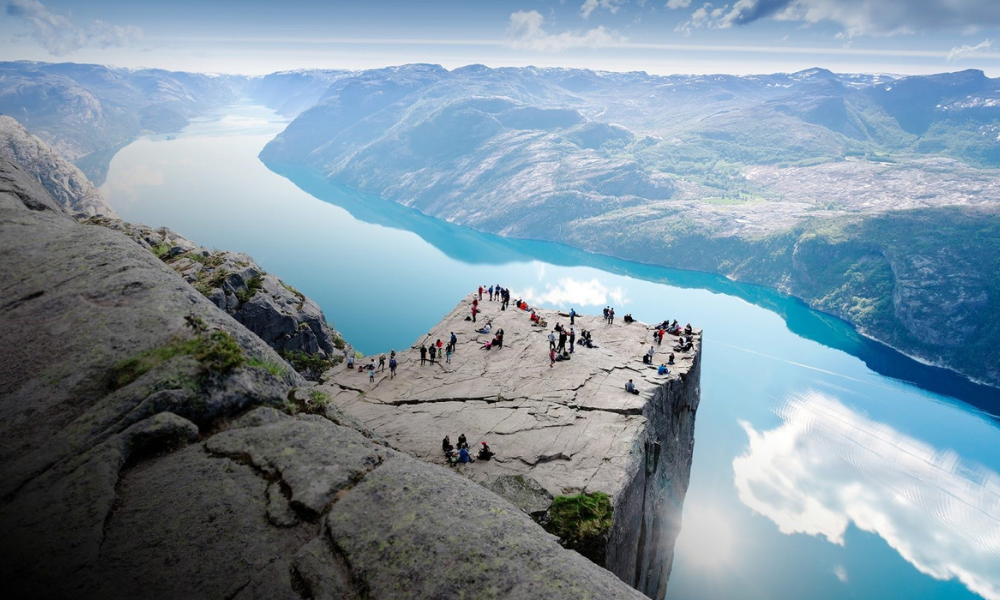
The Norwegian fjords are the heart and soul of the country. These deep, glacier-carved waterways surrounded by steep cliffs create some of the most dramatic landscapes in Europe.
Sognefjord, the longest and deepest fjord in Norway, stretches more than 200 kilometers inland. Its branches, including Nærøyfjord and Aurlandsfjord, are UNESCO World Heritage sites known for narrow passages and breathtaking views.
Geirangerfjord is equally famous, especially for waterfalls like the Seven Sisters and the Bridal Veil. Summer is the best time to visit, but it’s also the busiest season, so booking early is essential.
You can experience fjords by cruise, kayak, ferry, or even by renting a small motorboat in places like Flåm. Kayaking offers a peaceful, close-to-nature perspective, while cruises provide comfort and panoramic views.
2. Hike to Trolltunga, the Troll’s Tongue
Trolltunga is one of the most iconic hiking destinations in Norway. This dramatic rock formation juts out 700 meters above Lake Ringedalsvatnet, creating an unforgettable photo opportunity.
The hike is long and demanding, covering about 27 kilometers round trip and taking 9–10 hours. While not technically difficult, it requires good fitness and preparation.
The trail is best tackled between mid-June and mid-September, when snow conditions are minimal. Starting early in the morning helps avoid crowds and gives you enough daylight.
Many hikers choose to camp overnight near the top to enjoy sunrise views, which adds a magical element to the experience.
3. Chase the Northern Lights in the Arctic Circle
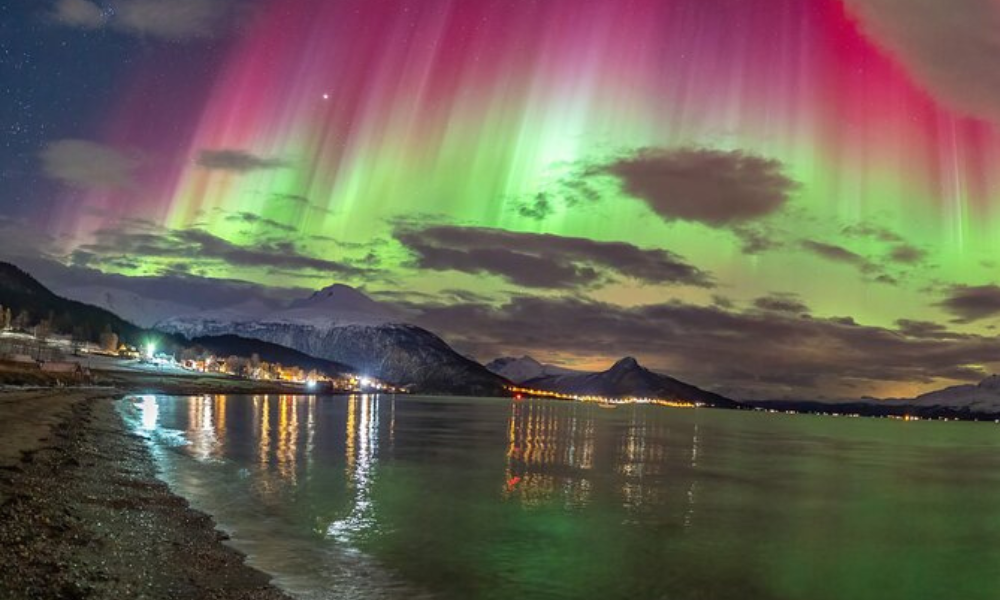
Seeing the Northern Lights is one of the most magical things to do in Norway. The best locations are in the north, especially Tromsø, which lies perfectly within the aurora zone.
The best time to see the northern lights is between October and March, when nights are long and dark. Clear skies and patience are key.
You can join guided tours that take you away from city lights, increasing your chances of seeing the aurora. Some tours even combine the experience with dog sledding or overnight stays in remote cabins.
Watching the sky light up with green and purple waves is a once-in-a-lifetime moment for many travelers.
4. Conquer Pulpit Rock (Preikestolen)
Pulpit Rock is one of Norway’s most accessible yet breathtaking hikes. Located near Stavanger, this flat-topped cliff rises 604 meters above Lysefjord.
The hike is moderate, taking about 1.5 to 2 hours each way on a well-marked trail. The reward is a stunning view over the fjord that feels almost unreal.
Late afternoon visits are recommended to avoid peak crowds. There are no safety rails at the top, so caution is essential near the edges.
5. Experience Oslo’s World-Class Attractions
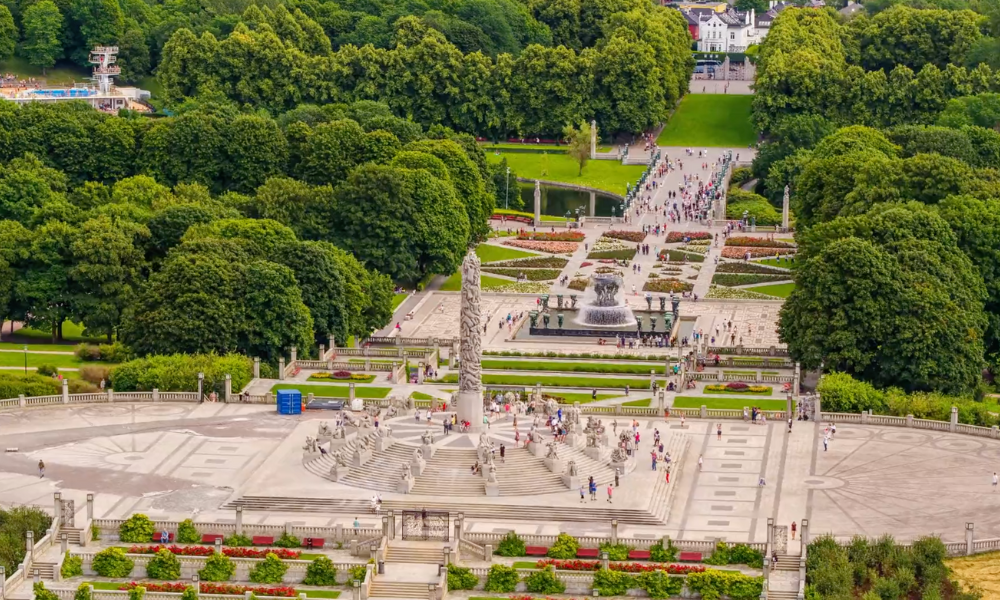
Oslo may not be surrounded by dramatic fjords, but it offers rich culture, modern architecture, and excellent museums.
Top attractions include:
- The Viking Ship Museum
- Vigeland Sculpture Park
- Oslo Opera House
- Munch Museum
The city also has beautiful waterfront areas like Aker Brygge and Tjuvholmen, where you can enjoy food, shopping, and fjord views. Oslo is compact, walkable, and easy to explore in 2–3 days.
6. Discover Bergen, Gateway to the Fjords
Bergen is known as the gateway to Norway’s western fjords. Its colorful Bryggen Wharf, a UNESCO World Heritage Site, reflects the city’s Hanseatic trading history.
Take the Fløibanen funicular for panoramic views over the city and surrounding mountains. Bergen’s fish market is perfect for tasting fresh seafood.
Rain is common here, so waterproof clothing is essential, but the city’s charm shines in all weather.
7. Explore the Lofoten Islands
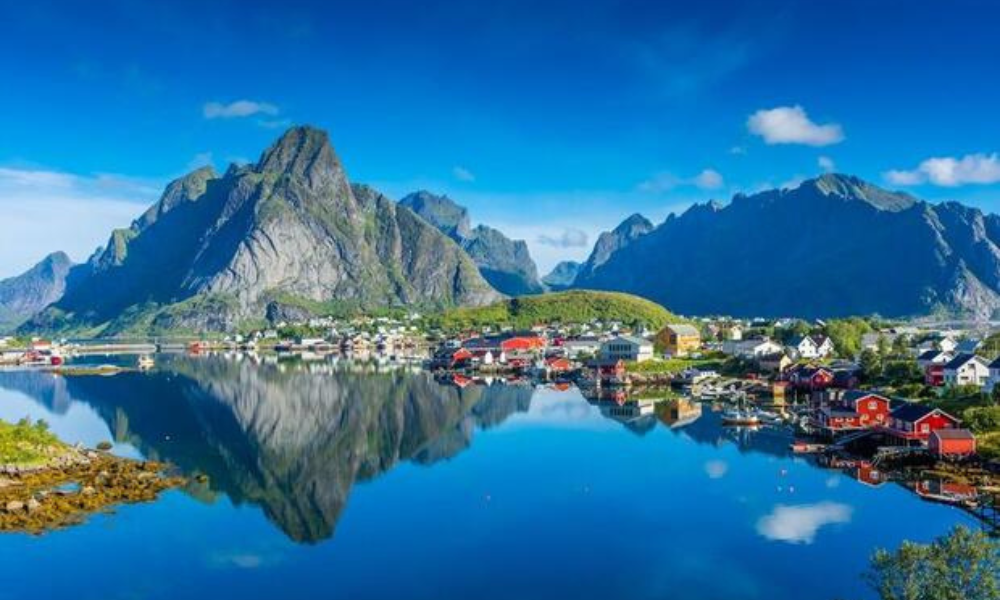
The Lofoten Islands offer some of the most dramatic scenery in Norway. Sharp mountain peaks rise from turquoise waters, and red fishing cabins line the shore.
Popular activities include hiking, photography, whale watching, and kayaking. Summer brings the midnight sun, while winter offers excellent northern lights viewing.
Plan at least 4–5 days to fully explore the islands.
8. Experience the Norway in a Nutshell Tour
Norway in a Nutshell is ideal for travelers short on time. It combines trains, fjord cruises, and bus rides into one scenic journey.
The highlight is the Flåm Railway, one of the world’s most beautiful train rides. This route showcases fjords, waterfalls, and mountain landscapes without the stress of driving.
9. Walk on Folgefonna Glacier
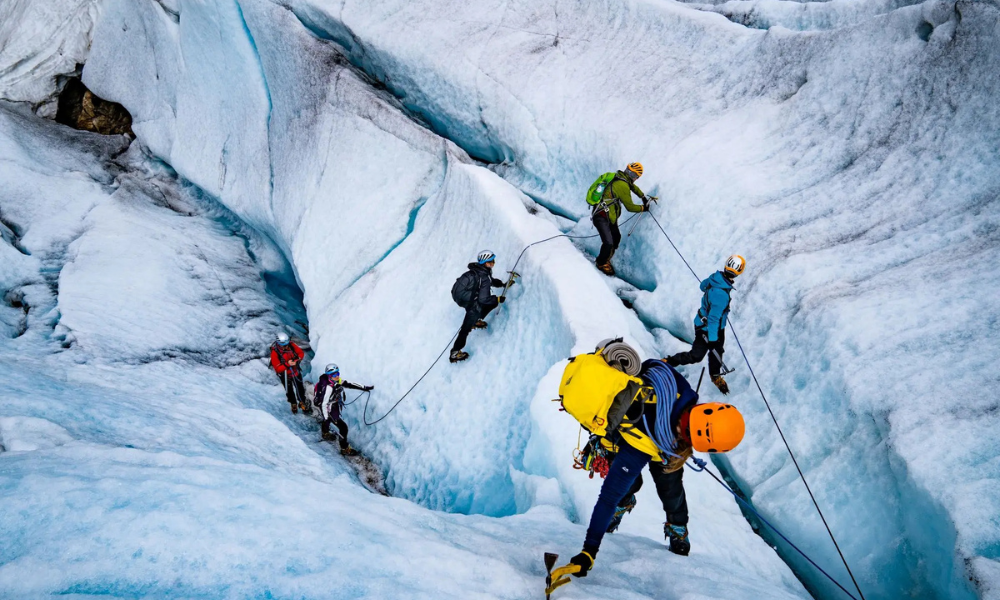
Walking on a glacier is a truly unique experience. Folgefonna Glacier offers guided tours that include safety equipment and expert instruction.
Tours typically last around 5 hours and are available from late spring through summer. Exploring ancient blue ice surrounded by mountains feels like stepping into another world.
Always join guided tours, as glaciers can be extremely dangerous without proper knowledge.
10. Hike Besseggen Ridge
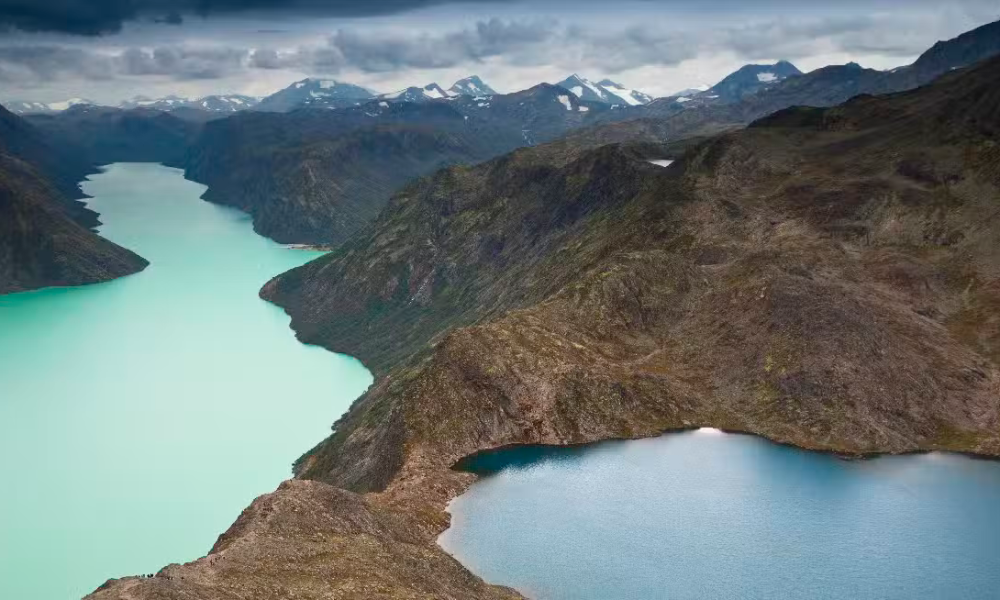
Besseggen Ridge is one of Norway’s most famous hikes, located in Jotunheimen National Park. The trail offers dramatic views between two lakes with strikingly different colors.
The hike takes about 6–8 hours and requires good fitness. The best season is late June to September, when ferries operate and trails are snow-free.
This hike is challenging but incredibly rewarding.
Best Time to Visit Norway June to August: Best for hiking, fjords, and road trips
- September to October: Fewer crowds, autumn colors
- November to March: Northern lights and winter activities
Budget Expectations for Norway
Norway is known to be expensive, but planning helps:
- Accommodation: Budget hostels €40–70, hotels €120+
- Food: Restaurant meals €20–40, street food cheaper
- Transport: Trains and buses are reliable but pricey
- Activities: Many hikes are free, guided tours cost extra
Saving tips: Use supermarkets, public transport, and free nature experiences.
FaQs
Is Norway expensive for tourists?
Yes, but budgeting smartly and focusing on free outdoor activities helps.
How many days are enough for Norway?
7–10 days is ideal to explore multiple regions.
Is Norway safe for solo travelers?
Yes, Norway is one of the safest countries in the world.
Do I need a visa for Norway?
It depends on your nationality. Many travelers can enter visa-free for short stays.
Can I see the Northern Lights from Oslo?
No, you need to travel north, preferably above the Arctic Circle.
Author Note
I write all the content on Tosstrips based on my own travel research, personal experiences, and careful destination planning. I enjoy exploring new places, learning about different cultures, and sharing practical travel ideas that can actually help readers plan better trips. Many times, I use my Random Country Generator on Tosstrips to randomly select my next destination idea and discover places I may not have planned otherwise. You can explore destinations or get travel inspiration by visiting the homepage at https://tosstrips.com/.
If you’d like to know more about me and the story behind Tosstrips, you can visit the author page here: https://tosstrips.com/author/.


Pingback: 10 Things to Do in Oslo Norway: Complete Guide to the Capital