I’ll never forget my first trip to Canada. I stood there at Niagara Falls in the middle of summer, feeling the mist on my face, surrounded by thousands of tourists, and thinking, is this really the best time to be here?
That question stuck with me through all my Canadian adventures. After visiting this incredible country multiple times across different seasons, I’ve learned that timing really does make all the difference. Whether you’re dreaming of hiking in Banff, exploring Toronto’s neighborhoods, or chasing the Northern Lights, when you visit can completely transform your experience.
Let me share what I’ve learned about planning the perfect Canadian adventure, because trust me, there’s a lot more to consider than just packing a warm jacket.
Understanding Canada’s Massive Climate
Here’s something that surprised me about Canada. It’s the second largest country in the world, which means the weather in Vancouver feels nothing like the weather in Toronto or Halifax. When I was sweating in Ontario during July, my friend was wearing a jacket in Yukon.
Canada stretches across six time zones and multiple climate zones. The northern parts sit within the Arctic Circle, where winters are brutally cold and summers are surprisingly pleasant. The coasts have oceanic climates, though the west coast stays milder than the east. Most of the interior experiences continental weather with hot summers and freezing winters.
Understanding these differences really helped me plan better trips. I learned to check specific regional forecasts instead of just looking at “Canada weather” as if it’s one uniform thing.
Summer: The Peak Season Everyone Loves
Best Time to Visit Canada Toronto
If you’re asking me about the best time to visit Canada Toronto, I’d say June through August hands down. I spent a summer week in Toronto and it was absolutely magical. The temperature hovered around 25 to 30 degrees Celsius, perfect for exploring neighborhoods like Kensington Market and the Distillery District without freezing or melting.
Toronto comes alive in summer. Patios fill up with people, festivals take over the streets every weekend, and the waterfront becomes this buzzing hub of activity. I caught an outdoor movie screening at Harbourfront Centre, grabbed dinner at a food truck rally, and spent lazy afternoons at Toronto Islands.
The only downside? Everyone else has the same idea. Hotels fill up fast and prices jump significantly. But if you can handle the crowds and the cost, summer Toronto is worth every penny.
Best Time to Visit Canada Banff
Now, let’s talk about Banff. The best time to visit Canada Banff really depends on what you want to do, but summer is when the mountain town truly shines. I visited in late July and the alpine meadows were covered in wildflowers, the lakes were this impossible shade of turquoise, and every hiking trail was accessible.
From June to August, you get long daylight hours, sometimes up to 16 hours of sunshine. This means more time exploring Lake Louise, hiking to the Plain of Six Glaciers, or just sitting on a patio in Banff town watching the mountains turn pink at sunset.
I remember taking the gondola up Sulphur Mountain on a clear August day. The views stretched for miles in every direction, and I could see why people call this one of the most beautiful places on Earth.
Summer in Banff does come with challenges though. The trails get packed, especially on weekends. Parking at popular spots like Moraine Lake fills up by 6 AM. And hotel rooms? Book months in advance or expect sticker shock.
Best Time to Visit Canada Niagara Falls
For the best time to visit Canada Niagara Falls, summer wins again. I went in June and the weather was perfect for getting soaked on the Hornblower boat ride. The falls are impressive year-round, but summer means you can fully enjoy all the outdoor attractions.
The mist from the falls actually feels refreshing in the summer heat. I spent hours just walking along the promenade, feeling the spray, watching rainbows form in the mist. At night, the falls are illuminated in different colors, and during summer, there are often fireworks shows on weekends.
Summer is definitely the busiest time at Niagara Falls. The crowds can be overwhelming, especially around Canada Day in early July. But the energy, the weather, and the full access to attractions make it worthwhile.
Fall: The Hidden Gem Season
Best Time to Visit Canada in Fall
Here’s where I’m going to let you in on a secret. The best time to visit Canada in fall might actually be better than summer for many travelers. September and October became my favorite months to explore Canada, and I’m not alone in thinking this.
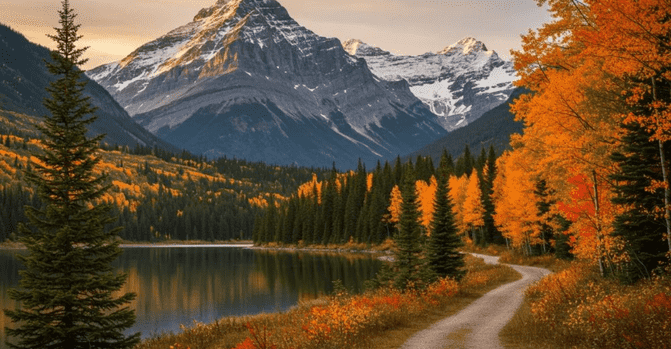
The fall colors in Canada are absolutely spectacular. I drove through Algonquin Park in Ontario during peak foliage in early October, and it looked like someone had set the forest on fire with oranges, reds, and yellows. Every turn revealed another postcard-perfect scene.
What I loved most about fall travel was the drop in crowds. After Labor Day, the summer tourists disappear, but the weather stays comfortable well into September. I hiked trails in Banff that were jam-packed in July and had them almost to myself in September.
The temperatures in fall are cooler but still pleasant for outdoor activities. I’m talking 10 to 20 degrees Celsius in most of southern Canada. Perfect for hiking without overheating, exploring cities without sweating through your shirt, and enjoying cozy evenings without needing heavy winter gear yet.
Fall is also when you might see the Northern Lights starting to appear in places like Yukon and the Northwest Territories. The longer nights give you better viewing opportunities, and you don’t have to freeze your fingers off waiting for them.
Best Time to Visit Banff Canada (Fall Edition)
The best time to visit Banff Canada for a different experience is definitely September or early October. I went back to Banff in September after my summer visit, and it felt like a completely different place.
The larch trees turn this incredible golden yellow color, creating these glowing patches of light against the green pines and gray mountains. The hike to Larch Valley near Lake Louise is stunning in fall, though it gets busy on weekends as locals flock there for the colors.
The weather can be unpredictable in fall. I experienced everything from sunny 20-degree days to sudden snow squalls in the mountains. But that’s part of the adventure. Just pack layers and be flexible with your plans.
Hotel prices drop after the summer rush, and you can actually find parking at popular spots without arriving at dawn. The town of Banff feels more relaxed, more authentic somehow, without the overwhelming summer crowds.
Spring: The Shoulder Season Surprise
Spring in Canada is tricky. It’s a transition period that varies wildly depending on where you are. On the west coast, spring arrives early with cherry blossoms in Vancouver blooming as early as March. In places like Alberta and Ontario, winter often hangs on stubbornly into April.
I visited Canada in May once, and it was a mixed bag. Some areas were absolutely beautiful with wildflowers emerging and baby animals everywhere. Other spots were dealing with muddy trails from snowmelt and unpredictable weather.
The advantage of spring travel is the lower prices and smaller crowds. You’re truly in shoulder season territory, which means deals on accommodations and flights. But you need to be prepared for anything weather-wise and accept that some high-altitude attractions might still be closed.
March through May is maple syrup season in eastern Canada, which is pretty cool if you’re into that sort of thing. I visited a sugar shack in Quebec and learned how they tap the trees and make syrup. It was a sweet introduction to Canadian culture, literally.
Winter: For the Bold and the Snow Lovers
Winter in Canada is not for the faint of heart, but it’s absolutely magical if you’re prepared. I’m talking November through March, when much of the country transforms into a winter wonderland.
The best time to visit Canada for winter sports is definitely late December through February. The snow is best, the ski resorts are fully operational, and Christmas markets add festive cheer to cities across the country.
I spent a week in Whistler in January, and it was incredible. Fresh powder almost every day, amazing runs, and the village was like something out of a postcard. The downside? It was freezing, and I mean really cold. We’re talking negative double digits, especially once you factor in wind chill.
Winter is when you have the best chance to see the Northern Lights in places like Yukon, Yellowknife, and even parts of Alberta. I caught them dancing across the sky near Jasper on a crystal-clear January night. It was worth every frozen finger and toe.
Cities like Montreal and Quebec City embrace winter with outdoor skating rinks, winter carnivals, and cozy restaurants serving hearty comfort food. I found myself actually enjoying the cold when I was sipping hot chocolate at a Montreal cafe or skating on the frozen canal in Ottawa.
Regional Timing Tips
Different regions of Canada have their own optimal visiting times. The west coast, especially Vancouver and Victoria, has mild weather year-round. I visited Vancouver in November once and barely needed more than a light jacket, though it did rain quite a bit.
The Maritime provinces on the east coast are best visited from June to September when the weather is warmest. I explored Nova Scotia in August and had perfect beach weather, fresh seafood, and friendly locals who were happy to share their favorite hidden spots.
The Canadian Rockies are spectacular from June to September for hiking and outdoor adventures. For skiing, December to March is prime time. I learned to avoid April and November in the mountains, as these are transition months when many facilities close for maintenance.
The far north, including Yukon and Northwest Territories, has a very short summer season. June to August offers the warmest weather and longest days. I visited Dawson City in July and experienced nearly 24 hours of daylight. It was surreal but absolutely amazing for packing in activities.
Planning Your Perfect Trip
After all my travels across Canada, here’s what I’ve learned about timing. The best time to visit Canada depends entirely on what you want to experience.
For classic sightseeing and comfortable weather, June through August is hard to beat despite the crowds and higher prices. For stunning fall colors and fewer tourists, September and early October are perfect. For winter sports and Northern Lights, December through February is your window. And if you’re budget-conscious and flexible, the shoulder seasons of May and late October through November offer the best deals.
I always tell people to book accommodations well in advance for summer travel, especially in popular spots like Banff, Toronto, and Niagara Falls. For fall and spring, you can be a bit more spontaneous, though popular weekends still fill up.
No matter when you visit, pack layers. Canada’s weather can surprise you, even in summer. I learned this the hard way when a July hike in the Rockies turned unexpectedly cold and rainy.
My Final Thoughts
Looking back on all my Canadian adventures, I realize there’s no single “best” time to visit this incredible country. Each season offers something unique and special.
Summer gives you long days, warm weather, and access to everything. Fall provides stunning colors, comfortable temperatures, and smaller crowds. Winter transforms the landscape into a snowy paradise perfect for winter sports and Northern Lights viewing. And spring, while unpredictable, offers budget-friendly travel and the excitement of watching nature wake up.
The best time to visit Canada is whenever you can make it work. This country is beautiful year-round, and Canadians are some of the friendliest people I’ve ever met, no matter the season.
So pick your dates, pack appropriately, and get ready for an adventure. Canada is waiting for you with open arms, stunning landscapes, and experiences you’ll remember forever. Trust me, whether you’re standing at Niagara Falls in summer, watching leaves change in fall, skiing down Whistler’s slopes in winter, or catching spring’s first flowers, you’re going to fall in love with this place just like I did.
Author Note
I write all the content on Tosstrips based on my own travel research, personal experiences, and careful destination planning. I enjoy exploring new places, learning about different cultures, and sharing practical travel ideas that can actually help readers plan better trips. Many times, I use my Random Country Generator on Tosstrips to randomly select my next destination idea and discover places I may not have planned otherwise. You can explore destinations or get travel inspiration by visiting the homepage at https://tosstrips.com/.
If you’d like to know more about me and the story behind Tosstrips, you can visit the author page here: https://tosstrips.com/author/.